


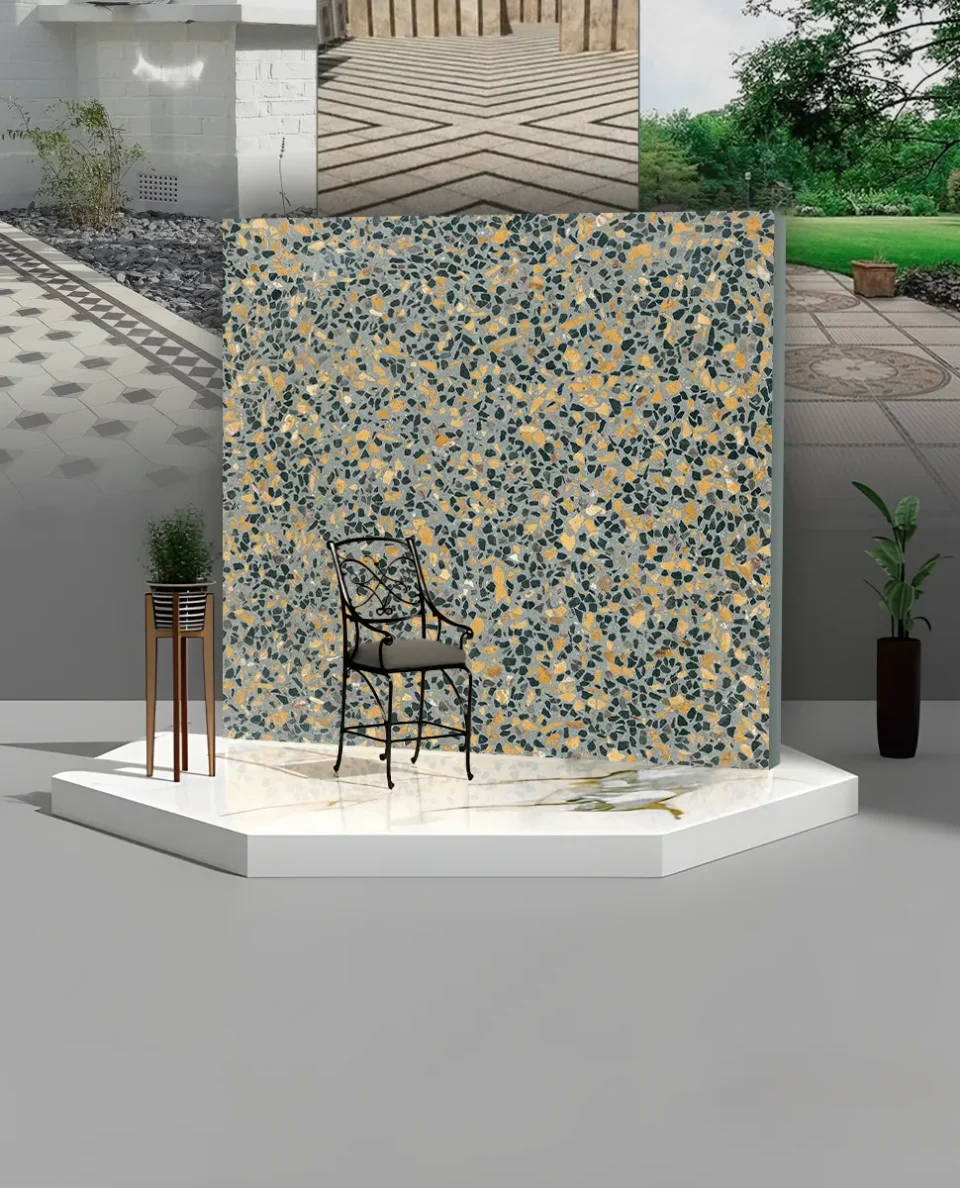
Mosaic is one of the most widely used building materials, applied in various spaces such as yards, sidewalks, parking areas, public spaces, and even some interior environments. Choosing the right mosaic is not limited to its appearance and color; factors such as strength, thickness, type of use, and environmental conditions also play an important role in this decision. Understanding these factors helps you select a durable, beautiful product that suits your needs.
Considering the Application Area
The first step in choosing mosaic is determining its installation location. Each environment requires specific characteristics that must be considered during purchase.
Common applications of mosaic include:
- Residential yards and courtyards
- Car parking areas
- Sidewalks and urban pathways
- Gardens and villas
- Commercial and industrial spaces
- School and park areas
For example, mosaic used in parking areas must have higher compressive strength than yard mosaic in order to withstand vehicle weight.
Evaluating Strength and Durability
One of the most important selection criteria is resistance to pressure and abrasion. High-quality mosaics are made from premium raw materials and standardized production processes, offering better performance against impact, cracking, and wear.
When purchasing, it is important to consider:
- Adequate compressive strength
- Resistance to abrasion
- Ability to withstand different weather conditions
- Resistance to freezing and moisture
- Durability of color and surface
Choosing Appropriate Design and Color
The appearance of mosaic has a significant impact on the beauty of a space. Today, mosaics are produced in a wide variety of designs, colors, and sizes, allowing coordination with different architectural styles.
When selecting design and color, consider:
- Harmony with building façade
- Compatibility with landscape and greenery
- Amount of natural light
- Size of the space
- Modern or classic design style
Light colors generally make a space look larger and more open, while darker colors create a more formal and modern appearance.
Considering Mosaic Thickness
Thickness is directly related to strength. For low-traffic areas, thinner mosaics can be used, but in environments with heavy loads or high traffic, thicker options are more suitable.
In general:
- Residential areas require medium thickness
- Parking areas require thick and durable mosaics
- Public spaces should use highly durable products
Checking Surface Quality
The surface of the mosaic should be uniform, crack-free, and free of chipping. Surface finishing quality also plays an important role in both appearance and longevity.
Signs of a high-quality mosaic include:
- Smooth and even surface
- Uniform color
- Intact edges without breakage
- No micro-cracks
- Proper structural density
Importance of Slip Resistance
In outdoor areas where surfaces may become wet, choosing anti-slip mosaic is very important. This feature increases safety and reduces the risk of slipping.
This is especially important in:
- Residential yards
- Swimming pool areas
- Parks
- Sidewalks
- Building entrances
Conclusion
Choosing the right mosaic requires evaluating multiple factors such as application area, compressive strength, thickness, surface quality, design, color, and safety features. Paying attention to these aspects ensures that you select a mosaic that is not only visually appealing but also highly durable and functional. Investing in high-quality mosaic can significantly reduce repair and replacement costs in the future.

تیم تولید محتوای سنگامیک
تیم تولید محتوای سنگامیک با تمرکز بر صنایع ساختمانی، موزاییک و سنگ مصنوعی، مطالب تخصصی و آموزشی را بر پایه دانش فنی، فناوریهای تولید، کنترل کیفیت و نوآوریهای صنعت ساختمان تهیه و منتشر میکند.